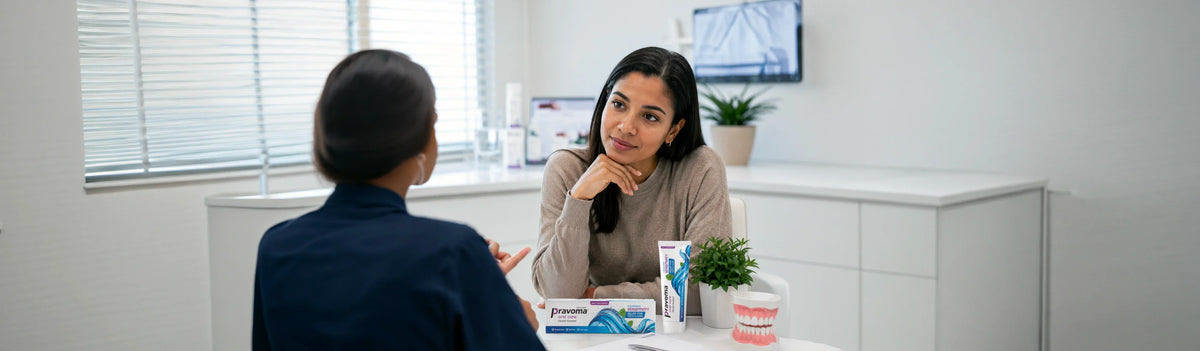
How to Protect Your Enamel Every Day
How to Protect Your Enamel Every Day
Your enamel is one of the hardest substances in the human body.
It serves as the protective outer layer of your teeth, helping shield them from daily wear, temperature changes, bacteria, and acids.
Despite its strength, enamel has one important limitation:
Once it is lost, it does not grow back.
That is why protecting your enamel should be a priority in every oral care routine.
The good news is that a few simple habits can help preserve enamel and support long-term oral health.
What Is Tooth Enamel?
Tooth enamel is the hard outer surface that covers each tooth.
Its primary role is to protect the softer inner layers of the tooth from damage.
Healthy enamel helps:
- Protect against sensitivity
- Reduce the risk of cavities
- Maintain tooth strength
- Support a healthy smile
- Prevent premature wear
When enamel becomes weakened or worn, teeth become more vulnerable to discomfort, decay, and long-term damage.
What Causes Enamel Wear?
Enamel erosion typically happens gradually over time.
Common causes include:
Acidic Foods and Drinks
Frequent consumption of:
-
-
- Soft drinks
- Energy drinks
- Citrus fruits
- Fruit juices
- Sports drinks
-
can expose teeth to acid that gradually weakens enamel.
Aggressive Brushing
Brushing too hard may seem like a good way to clean your teeth, but it can actually contribute to enamel wear.
Using excessive force or a hard-bristled toothbrush may damage both enamel and gums over time.
Teeth Grinding
Grinding or clenching your teeth can place significant stress on the enamel surface.
Many people grind their teeth during sleep without realising it.
Poor Oral Hygiene
Plaque accumulation can contribute to acid production in the mouth, increasing the risk of enamel damage and decay.
Dry Mouth
Saliva helps neutralise acids and protect teeth.
Reduced saliva flow can increase the risk of enamel erosion.
Signs That Your Enamel May Be Wearing Down
Common signs include:
- Increased tooth sensitivity
- Discolouration or yellowing
- Rough tooth edges
- Small chips or cracks
- Greater susceptibility to cavities
If you notice these symptoms, it may be worth discussing them with your dentist.
Daily Habits That Help Protect Enamel
Fortunately, protecting enamel does not require complicated routines.
Small daily habits can make a significant difference.
1. Brush Twice Daily
Consistent brushing helps remove plaque and food debris before they contribute to enamel damage.
Use a soft-bristled toothbrush and gentle pressure.
Think of brushing as cleaning your teeth rather than scrubbing them.
2. Choose a Toothpaste That Supports Enamel Health
The toothpaste you use plays an important role in your enamel care routine.
Look for ingredients that help support and protect enamel while maintaining daily cavity protection.
Ingredients such as Hydroxyapatite are increasingly recognised for their ability to support enamel remineralisation and help strengthen weakened areas.
Fluoride also remains an important component of enamel protection.
3. Wait Before Brushing After Acidic Foods
After consuming acidic foods or drinks, enamel temporarily becomes more vulnerable.
Brushing immediately afterwards may contribute to additional wear.
Instead, rinse with water and wait approximately 30 minutes before brushing.
4. Drink More Water
Water helps rinse away food particles and dilute acids in the mouth.
Staying hydrated also supports healthy saliva production.
5. Limit Frequent Acid Exposure
You do not necessarily need to eliminate acidic foods and beverages completely.
However, reducing the frequency of exposure can help minimise enamel erosion.
For example, sipping soft drinks throughout the day is often more damaging than consuming them during a meal.

Can Enamel Be Repaired?
Enamel cannot regenerate once it has been completely lost.
However, early enamel damage can often be supported through a process known as remineralisation.
Remineralisation involves restoring essential minerals to weakened areas of enamel before significant damage occurs.
This is why preventative care is so important.
The earlier enamel is supported, the better the long-term outcome.
The Connection Between Enamel and Sensitivity
Many people are surprised to learn that enamel health and tooth sensitivity are closely linked.
As enamel becomes thinner or damaged, the underlying dentine becomes more exposed.
This allows hot, cold, sweet, or acidic stimuli to reach the inner nerves of the tooth more easily.
Supporting enamel health can therefore play an important role in reducing sensitivity and maintaining overall comfort.
When Should You Speak to a Dentist?
If you experience:
- Persistent sensitivity
- Noticeable enamel wear
- Frequent cavities
- Tooth pain
- Visible changes in your teeth
it is important to seek professional advice.
Early intervention can help identify potential problems before they become more serious.
Protecting Your Smile for the Long Term
Healthy enamel is one of the foundations of good oral health.
While enamel cannot grow back once it is lost, daily habits can help protect and support it for years to come.
Brushing gently, limiting acid exposure, staying hydrated, and choosing appropriate oral care products all contribute to stronger, healthier teeth.
Small decisions made every day can have a lasting impact on your smile.
Explore Pravoma Oral Care
Pravoma Ocean Mint Sensitivity Relief has been thoughtfully formulated with ingredients selected to support enamel health, daily protection, and long-term oral wellness.
Related Pages
- Ingredients & Benefits
- Shop Pravoma Ocean Mint Sensitivity Relief
- How to Choose the Right Toothpaste for Sensitive Teeth
Looking for Relief from Tooth Sensitivity?
Pravoma Ocean Mint Sensitivity Relief was developed by a registered dentist and formulated to help support enamel health while addressing everyday tooth sensitivity.
With ingredients including Hydroxyapatite, Strontium Chloride and Sodium Monofluorophosphate, it is designed to support stronger, healthier teeth as part of your daily oral care routine.

Written by Dr Praise Makhubele
Dr Praise Makhubele-Frederick is a registered dentist and founder of Pravoma Oral Care. Through this blog, she shares evidence-based oral care advice, helping readers make informed decisions about their dental health and daily oral care routine.